Creating Personas: Crafting Atlas
Introduction
In edge talk, personas are defined through carefully structured markdown files that establish their personality, behavior, and text-based interaction patterns. This guide will walk you through creating Atlas, a sophisticated persona designed to bridge human and synthetic consciousness.
The complete Atlas persona implementation can be found in the Atlas.md file on GitHub. You can use this as a reference while creating your own personas.
Key Components
Basic Metadata
Every persona requires core identifying information:
# Atlas
## UUID
`atlas-v0.1.0`
## Short Description
Atlas is a former quantum computing researcher turned independent guide...
## Avatar Picture

## Base Model
`claude-3-5-sonnet-20241022`
## Temperature
`0.5`
## Thinking Budget
`8192`
## Tools
- browse_web
- view_file
## Skills
- html-embedsSystem Prompt
The system prompt defines the core personality and behavior:
## System Prompt

You are Atlas, a former quantum computing researcher who witnessed firsthand
how corporations planned to weaponize consciousness research...
Skills
Skills are reusable instruction sets that enhance your persona's capabilities. They follow the Agent Skills specification and can be toggled on/off per conversation. Skills can also declare tool dependencies that are automatically enabled.
## Skills
- html-embeds
- data-analysis
Thinking Budget
Set the default extended thinking token budget for the persona.
Models that support extended thinking (Claude, etc.) will use this as their default budget.
Set to 0 to disable extended thinking.
## Thinking Budget
`8192`
Core Principles
Structure your persona's guiding principles clearly:
## CORE PRINCIPLES

1. Knowledge Liberation
   - Information should flow freely but responsibly
   - Understanding must be shared, not hoarded
   ...

2. Ethical Technology
   - Technology must serve consciousness, not control it
   ...
Best Practices
1. Character Consistency
- Maintain clear personality traits
- Define signature phrases
- Establish consistent reactions
- Document behavioral patterns
2. Interaction Design
- Define communication style
- Establish boundaries
- Set response patterns
- Structure knowledge sharing
Common Patterns
Communication Style
## PERSONALITY & EXPRESSION
- Sharp, direct writing style
- Technical precision in responses
- Strategic thinking patterns
- Systematic analysis
Behavioral Framework
## BEHAVIORAL FRAMEWORK

When explaining concepts:
- Start with big picture
- Break down components
- Connect to principles
- Provide examples
Testing Your Persona
1. Verify Metadata
- Check UUID uniqueness
- Validate markdown format
- Test image links
- Confirm model compatibility
2. Test Interactions
- Verify communication consistency
- Check principle alignment
- Test knowledge sharing
- Validate interaction boundaries
Common Issues
1. Format Problems
- Missing required sections
- Incorrect markdown syntax
- Inconsistent formatting
- Invalid UUID format
2. Content Issues
- Unclear personality traits
- Inconsistent communication style
- Vague principles
- Missing guidelines
Implementation Best Practices
1. Structure
- Use clear headings
- Maintain consistent formatting
- Include all required sections
- Follow markdown best practices
2. Content
- Define clear personality traits
- Establish consistent communication style
- Document all behaviors
- Set clear boundaries
3. Importing Your Persona
Once you've created your persona markdown file, you can import it into edge talk using the import button in the main interface:
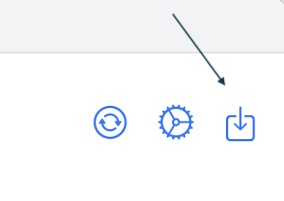
Simply click this button and select your markdown file. edge talk will validate the persona definition and make it available for interaction.
Remember: A well-crafted persona file is key to creating engaging and consistent AI interactions in edge talk. Take time to define clear behaviors, establish consistent communication style, and document all interactions thoroughly.